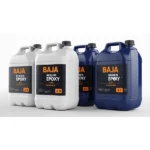

More business owners and homeowners are switching to epoxy flooring solutions in Kenya. Unlike traditional flooring options like tiles and concrete, epoxy resin does not wear out fast.
Epoxy resin floors are:
✔ Extremely durable, especially in high traffic areas.
✔ Customizable and aesthetically pleasing
✔ Low-maintenance and easy to clean.
This means by installing epoxy in your residential or commercial spaces, you will not need constant repairs that may drain your time and money.
What is Epoxy Flooring?
Epoxy flooring is a tough, durable surface made from a mix of epoxy resin and a hardener. When these two ingredients are combined, they form a strong plastic-like material that bonds tightly to the floor.
The result? A sleek, seamless, and super-strong finish that can handle everything from foot traffic to heavy machinery.
Here’s a simple breakdown:
- Epoxy = Resin + Hardener
- Applied over concrete floors to create a protective and decorative surface
- Used in both residential and commercial spaces in Kenya
How Is Epoxy Resin Used on Floors?
Epoxy resin is poured or rolled onto a clean concrete surface. Once it cures (hardens), it forms a smooth, high-gloss, and long-lasting epoxy floor finish.
Depending on the type, multiple layers may be added for extra durability or design effects like:
- Metallic swirls
- Color flakes
- Quartz textures
Best of all? You can get all these services at Baja Epoxy Resin. Contact us today for a stunning and seamless floor – 0726514420.
Why Epoxy Floor Finishes Stand Out
You are probably asking, “Why not just use tiles or plain concrete?”
Here’s why epoxy floor finishes are different:
- No joints or grout lines – it’s seamless
- Highly resistant to stains, oil, chemicals, and wear
- Customizable colors and finishes for any vibe
- Easy to clean – just mop and go
- Reflective surface brightens up rooms and workspaces
Compared to tiles, wood, or cement floors, epoxy floors last longer and perform better in high-traffic areas.
Why Epoxy Flooring Is a Game-Changer in Kenya
Epoxy in Kenya is quickly becoming the go-to choice for:
- Warehouses and factories – because of its strength and chemical resistance
- Hospitals and schools – for hygiene and ease of maintenance
- Showrooms and homes – thanks to its glossy, premium look
- Offices and retail spaces – for modern and clean aesthetics
Whether you’re upgrading a home or fitting out a business, epoxy resin floors give you a modern, professional finish with minimal maintenance.
So, if you are looking to install an epoxy floor, Baja Flooring is your trusted epoxy flooring company in Kenya. We ensure proper installation and long-term durability.
Types of Epoxy Flooring
There are different types of epoxy floors.
Depending on your space, traffic levels, and style preferences, there’s an epoxy flooring option that’s just right for you.
Let’s break down the most popular types of epoxy flooring in Kenya – and why each one might be your best bet.
1. Self-Leveling Epoxy Floor
This is a self-leveling epoxy that is poured over concrete, and naturally spreads out to create a flat, even surface.
Why you’ll love it because of:
- Seamless, shiny finish
- Perfect for both new and old concrete
- Great for industrial warehouses, kitchens, and garages
- Comes in a variety of colors for a polished look
Pro tip: If your floor has cracks or rough patches, this is your go-to epoxy floor.
2. Quartz-Filled Epoxy Resin Floor
If you are looking for texture and toughness, this one’s for you.
It’s a mix of epoxy resin and colored quartz grains, creating a decorative yet super strong surface.
Benefits:
- High slip-resistance
- Adds color and dimension
- Ideal for locker rooms, restrooms, schools, and medical facilities
It handles heavy traffic and moisture without losing its shine.
3. Epoxy Flake Floor Systems
If you are looking for a bit of personality, flakes (or chips) are added to the epoxy resin before it cures, creating a vibrant, textured look.
Why it stands out:
- Offers slip resistance
- Hides imperfections well
- Easy to clean and maintain
- Perfect for showrooms, offices, and homes
And yes—it’s available in many color combos, making it one of the top decorative epoxy floor choices in Kenya.
4. Anti-Static Epoxy Floors
If you’re dealing with sensitive electronics or flammable materials, this is the best epoxy flooring for safety-critical areas.
What it does:
It dissipates static electricity, keeping people and equipment safe.
Best suited for:
- Labs
- Hospitals
- Electronic manufacturing plants
5. Mortar Epoxy Flooring Systems
This is the toughest epoxy floor you can get. It uses 100% solid epoxy mixed with sand or quartz to form a heavy-duty layer.
Why it’s a beast:
- Handles the heaviest loads and impacts
- Great for repairing cracks
- Ideal for factories, garages, and industrial plants
In Kenya’s industrial zones, this type of epoxy in Kenya is becoming increasingly popular due to its resilience.
6. Decorative Epoxy Floor Options in Kenya
Decorative epoxy floors combine beauty and performance. From metallic finishes to custom patterns, the design options are endless.
Why Kenyans love it:
- Elevates the look of homes, salons, hotels, and retail spaces
- Can mimic marble, granite, or water-like effects
- Adds a wow factor without high maintenance
However, it’s not just about looks—these finishes are still durable and easy to clean.
Benefits of Epoxy Flooring
Epoxy flooring is a smart, long-term investment for both homes and businesses in Kenya.
But why are more people choosing epoxy floors over traditional options like tiles or concrete?
Durability and Strength
One of the biggest reasons epoxy is popular in Kenya is its unbeatable strength.
Once cured, epoxy resin forms a rock-solid layer over the concrete. It resists cracks, chips, and wear even under heavy use.
Whether it’s a warehouse full of machinery or a busy garage, epoxy flooring holds up without breaking a sweat.
Aesthetic Appeal and Variety of Finishes
Epoxy flooring doesn’t just perform well. It also looks amazing.
You can choose from a range of finishes, including glossy, metallic, flake, or quartz-filled options. These finishes transform dull floors into sleek, professional-looking surfaces.
So, whether it’s a home, office, or showroom, epoxy gives it that polished touch.
Chemical and Stain Resistance
Here’s where epoxy really stands out. It resists oil, grease, water, chemicals, and even acidic spills.
This makes it perfect for industrial and medical settings where cleanliness and safety matter.
With epoxy on floor surfaces, you won’t need to worry about permanent stains or surface damage from spills.
Ease of Maintenance
No one wants to spend hours scrubbing floors. With an epoxy floor finish, maintenance is a breeze.
Dust and dirt don’t stick, and spills can be wiped up easily.
The seamless surface also means no grime getting stuck between tiles. A quick mop is often all it takes to keep your epoxy resin floor looking fresh.
Quick Application with the Right Epoxy Flooring Company in Kenya
Unlike other flooring options, epoxy requires professionals, to ensure its installed right. This also warrants that the installation is fast and efficient.
Therefore, make sure to work with a professional epoxy flooring company in Kenya, like Baja Epoxy Resin flooring.
With us, your project will be completed within days – not weeks. And once it’s done, you won’t have to worry about touch-ups or repairs for years.
Ideal for Homes, Offices, Warehouses, and Hospitals
Thanks to its versatility, epoxy in Kenya is now being used almost everywhere.
- Homeowners love it for kitchens and garages.
- Offices choose it for that modern, clean vibe.
- Warehouses and factories rely on it for strength.
- Hospitals prefer it for hygiene and easy cleaning.
In short, epoxy flooring adapts to the space – whatever the need.
Epoxy Flooring Disadvantages
Epoxy flooring is tough, good-looking, and versatile. But like any flooring solution, it’s not perfect.
Here’s what you need to keep in mind before going all-in on epoxy in Kenya:
Surface Preparation is Key
Before applying epoxy on a floor, the base surface must be perfectly clean, dry, and crack-free. That means grinding, patching, and cleaning the concrete thoroughly.
If this step is rushed or skipped, the epoxy won’t bond well, and your floor could fail in no time.
Slippery When Wet
Epoxy floors can be slick, especially when wet. That glossy finish might look great, but it can become a slipping hazard if anti-slip additives aren’t used.
This is especially important in kitchens, bathrooms, or commercial areas with foot traffic.
Needs Professional Installation
Installing epoxy resin isn’t a typical DIY project. Mixing the right ratios, timing the layers, and applying the epoxy floor finish evenly takes skill and experience.
Without it, you risk bubbles, uneven texture, or early wear.
That’s why it’s best to hire a trusted epoxy flooring company in Kenya for proper results.
Yellowing Over Time
Not all epoxy is made the same. Cheap or low-grade epoxy tends to yellow or fade with sun exposure, especially in areas with big windows or skylights.
To avoid this, always go for high-quality epoxy resin with UV protection, especially in Kenya’s sunny climate.
Cracking if the Base Floor is Weak
Even the strongest epoxy resin floor can crack if the concrete underneath is unstable or poorly prepared.
Movement in the foundation or existing cracks can push through and damage the epoxy layer. This is why surface prep is a non-negotiable.
Choosing the Best Epoxy Floor
With so many epoxy options available, picking the right one can feel overwhelming. But don’t worry—here’s how to make sure you get it right the first time.
Start With Your Needs
Before anything else, ask: What’s the floor used for?
Different spaces need different epoxy floor solutions.
- For garages or warehouses, go for mortar epoxy flooring—it’s heavy-duty and impact-resistant.
- For homes or offices, a decorative epoxy floor with flakes or metallic finishes offers style without compromising strength.
- If the area is exposed to chemicals or spills, a quartz-filled epoxy resin floor is your best bet.
So, match the type of epoxy on floor to how the space is used.
DIY vs. Pro: Know the Difference
Let’s be honest – DIY kits sound tempting.
But applying epoxy resin takes precision. One wrong mix or missed spot, and you’ve wasted time and money.
Professional installers:
- Ensure the concrete surface is well-prepared
- Use industrial-grade materials
- Guarantee a smooth, bubble-free finish
- Offer long-lasting durability
Therefore, hiring a reputable epoxy flooring company like Baja Epoxy Resin Kenya saves you the hassle and gives you peace of mind.
What to Look for in an Epoxy Flooring Company in Kenya
There are several epoxy flooring companies in Kenya, including Baja Epoxy Resin. However, several factors make them different.
Here’s how to spot the good ones:
- Experience with both commercial and residential epoxy flooring in Kenya
- Positive customer reviews of past work
- Knowledge of local conditions (humidity, sunlight, etc.)
- Willing to guide you on the right epoxy floor finish for your space
A reliable installer will walk you through the process and help you avoid costly mistakes.
Quality Resin = Quality Floor
Kenya’s weather can be tough on floors. That’s why using top-grade epoxy resin is a must.
Cheap epoxy yellows, peels, or cracks when exposed to heat and UV rays. High-quality resin stays strong, glossy, and resistant – especially in busy or sunny areas.
So, don’t just focus on price. Focus on performance.
Epoxy Flooring Price in Kenya
Let’s talk numbers.
If you’re planning to install epoxy flooring in Kenya, it’s important to understand what you’re paying for—and why.
Current Epoxy Floor Prices in Kenya
We offer affordable rates depending on the size of your space. Here’s a breakdown of our metallic epoxy floor installation prices per square meter:
| Floor Area (sqm) | Rate (Ksh per m²) |
| Below 10 sqm | Ksh 6,000 |
| 11 – 40 sqm | Ksh 5,300 |
| 41 – 65 sqm | Ksh 4,600 |
| 66 – 99 sqm | Ksh 4,000 |
| Above 100 sqm | Ksh 3,500 |
| Design Work & Site Visit | Ksh 2,500 (Flat Rate) |
The larger the space, the lower the cost per meter. That’s good news for big projects!
What Affects the Cost of Epoxy Floor Installation?
Several factors can change your total cost. Let’s break it down.
- Type of epoxy used: 3D designs, quartz-filled epoxy, or epoxy flake systems cost more than basic coats.
- Surface preparation: If your floor needs smoothing or repairs, the price goes up.
- Labor and finish: High-end epoxy floor finishes or decorative touches take more time and precision.
- Location: Travel distance, site access, and weather may impact total charges.
However, cutting corners on cost often leads to low-quality results.
Cost vs. Area Covered
As you saw earlier, the price per square meter drops as your space gets bigger. Why? It’s all about economies of scale.
Smaller areas still require materials and setup, which makes them more expensive per unit. But once you pass the 40–60 m² mark, the cost starts balancing out.
So, if you’re working on a large commercial space, epoxy in Kenya becomes very cost-effective.
Budgeting Tips for Your Epoxy Flooring Project
Planning ahead saves money and stress. Here’s what you can do:
- Measure your floor accurately to get the best quote
- Choose a finish that fits both your style and budget
- Work with a trusted epoxy flooring company in Kenya—they’ll help you avoid costly mistakes
- Don’t forget the Kshs. 2,500 site visit and design fee—it ensures your project starts off right
So, now that you have a solid idea of what to expect in terms of cost for epoxy flooring in Kenya, feel free to contact Baja Epoxy Flooring for your quote today.
Our number is 0726514420
Whether it’s a home garage or a full-scale warehouse, epoxy resin floors are a worthy investment in durability and style.
Epoxy Flooring in Kenya FAQs
Which epoxy is best for flooring?
The best epoxy for flooring is 100% solid epoxy resin because it’s the most durable, long-lasting, and resistant to wear compared to water-based or solvent-based options.
Are epoxy floors dangerous?
Epoxy floors are safe when installed with proper ventilation, as the fumes (VOCs) can be harmful during application but pose no risk once cured.
How long does epoxy flooring last?
With proper installation and maintenance, epoxy flooring in Kenya can last 10 to 20 years—or even longer in low-traffic areas.
How much does epoxy flooring cost?
The cost of Epoxy flooring in Kenya typically ranges from Kshs. 3,000 to 5,000 per m², and while the upfront cost may seem high, its durability makes it a cost-effective long-term investment.